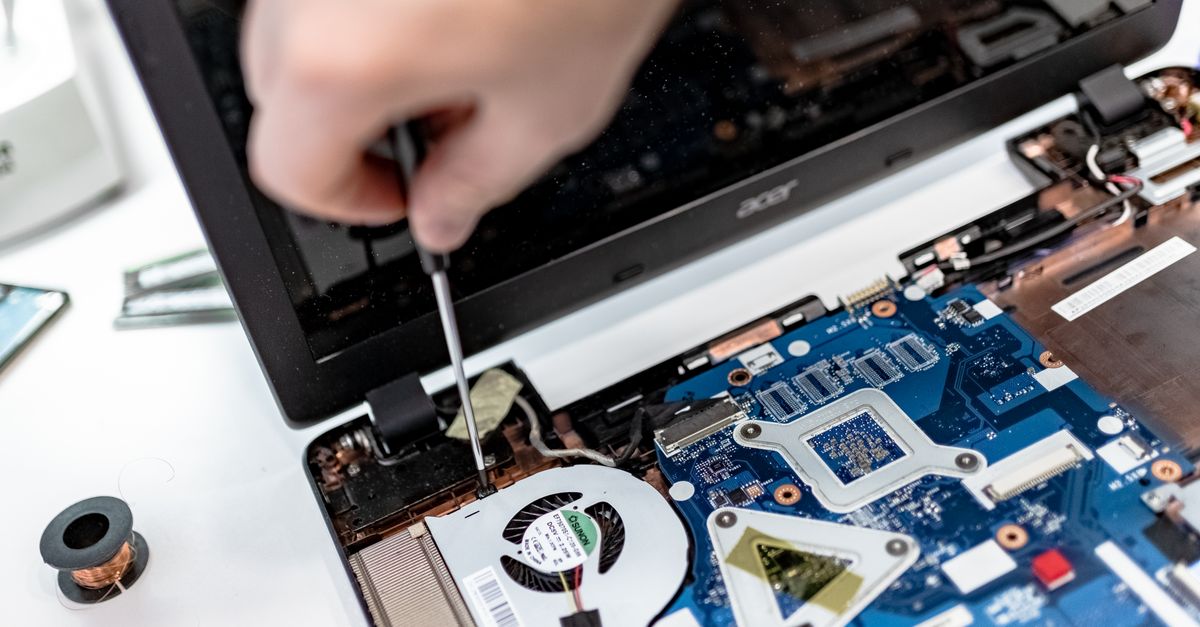
Essential Tools for SSD Data Recovery at Home
Table Of Contents
Evaluating Recovery Success Rates
Understanding the likelihood of successful data recovery from an SSD involves evaluating several variables. The type of failure plays a crucial role. Logical failures, such as accidental deletion or corruption, often present better recovery chances compared to physical damages like controller malfunctions or severe wear and tear. The age of the SSD also impacts recovery rates, as data integrity may deteriorate over time. Additionally, the use of recovery software quality and the user’s familiarity with data recovery processes can significantly influence outcomes.
The specifics of the SSD brand and model can further determine the success of recovery attempts. Some brands employ more robust data protection technologies, potentially complicating recovery efforts. Regular backups and the proper use of the SSD can enhance recoverability. Maintaining updated recovery tools and utilising them as needed contributes to higher success rates. Awareness of these aspects enables individuals to make informed decisions when facing potential data loss.
Factors Influencing Recovery Outcomes
Data loss scenarios can differ significantly. The type of data loss, whether due to accidental deletion, physical damage, or firmware corruption, plays a crucial role in determining recovery success. SSDs use different technologies like TRIM and wear levelling, which can complicate recovery. If TRIM has been activated and the data has been actively overwritten, recovery chances diminish. Understanding these nuances is essential to set realistic expectations for recovery outcomes.
The age and condition of the SSD also impact recovery potential. Older drives may have experienced wear that affects their data retention capabilities. If the device has been subjected to extreme temperatures or power surges, the likelihood of effective recovery decreases. Additionally, the tools employed for recovery can noticeably influence results. Utilising reliable software specifically designed for SSD data recovery tends to yield better outcomes than generic recovery programs.
Precautions Before Attempting Recovery
Before embarking on any data recovery attempt, it is crucial to take certain precautions to ensure the integrity of the data as well as the hardware. Powering off the device immediately upon realising data loss is an essential first step. This action can prevent further corruption or damage, especially in SSDs, which operate differently from traditional hard drives. Handling the drive with care is also vital. Avoid dropping or mishandling it as any physical shocks can exacerbate existing issues.
Backing up all other data, if possible, is another necessary precaution. This step can minimise the risk of losing additional files during the recovery process. It's also a good idea to create an image of the SSD for recovery attempts. Working from an image rather than the original drive can protect your data from being overwritten or lost. Familiarising yourself with the specific tools and software you plan to use can greatly enhance the chances of a successful recovery, as understanding how these tools function plays a critical role in the process.
Avoiding Common Mistakes
When attempting SSD data recovery at home, one of the most common mistakes is not creating a backup of the data before starting the recovery process. This oversight can lead to irreversible data loss if a recovery attempt goes awry or further corrupts the data. Ensuring a complete and secure backup can also provide a safety net, allowing users to attempt recovery without the pressure of losing important information permanently.
Another frequent error occurs when individuals use inappropriate software or tools that may not be compatible with their specific SSD model. This can lead to ineffective recovery attempts or even exacerbate the existing problem. It is essential to conduct thorough research into the available recovery solutions, ensuring they are designed for the SSD type in question. Familiarising oneself with the correct protocols and recommended tools can significantly improve the likelihood of successful data retrieval.
When to Seek Professional Help
Recognising the right moment to consult with a professional can save both time and frustration when dealing with SSD data recovery. If the drive exhibits physical symptoms such as unusual sounds, overheating, or failure to power up, this is often an indicator that internal components may be damaged. Attempting to access the data in these situations can exacerbate the problem, leading to irreversible data loss.
Another key factor to consider is the complexity of the data loss scenario. If you have attempted recovery through software tools without success, or if the data is particularly sensitive or important, seeking expert assistance is advisable. Professionals possess specialised tools and techniques that can significantly enhance the likelihood of a successful recovery while minimising further risk to the data.
Signs You Need Expert Assistance
Recognising when to seek professional help can save both time and data. If you encounter frequent errors, such as the drive not being recognised by the system or files not opening, these may indicate deeper issues beyond what basic recovery tools can handle. Signs such as strange noises emanating from the SSD, or persistent failure to boot, suggest hardware problems that require specialised attention.
If data loss results from physical damage, attempting DIY recovery could worsen the situation. Cases of accidental formatting or deletion might be resolvable with software tools, but persistent failures or corruption hint at more complex recovery needs. When critical data is at stake, and standard recovery attempts yield no results, engaging an expert service is often the safest course of action.
FAQS
What tools are essential for SSD data recovery at home?
Essential tools for SSD data recovery at home include data recovery software, a reliable external storage device, a screwdriver set for opening the SSD enclosure, and a clean workspace to minimise contamination.
How successful is SSD data recovery at home compared to professional services?
SSD data recovery at home can be successful, particularly for logical errors or accidental deletions. However, professional services typically have higher success rates for complex issues, such as physical damage or firmware corruption.
What precautions should I take before attempting SSD data recovery?
Before attempting SSD data recovery, ensure you back up any remaining data, avoid using the SSD extensively, and create a disk image if possible to prevent further data loss during recovery attempts.
What are some common mistakes to avoid during SSD data recovery?
Common mistakes to avoid include not using appropriate recovery software, failing to read instructions carefully, attempting to open the SSD without proper tools, and ignoring indications that the drive may be physically damaged.
When should I consider seeking professional help for SSD data recovery?
You should seek professional help if you notice signs such as unusual noises from the SSD, failure to be recognised by your computer, persistent read/write errors, or if previous recovery attempts have been unsuccessful.
Related Links
The Process of SSD Data Recovery ExplainedBest Practices for Maintaining Your SSD Health
DIY SSD Data Recovery: What You Need to Know
The Cost Factors in SSD Data Recovery Services
Tips for Successfully Recovering Data from a Corrupted SSD